Students
Young people and adult VET learners, particularly in food-related programmes, who need practical tools to make choices, cook and care for their well-being.
Erasmus+ · Small-scale partnership
Monitoring and evidence report for a project connecting food, mental well-being, sustainability and cultural exchange in vocational education and training.
 2025-1-ES01-KA210-VET-000358116
How to read this reportThe website distinguishes approved planning from documented implementation. Where no specific report or supporting evidence has been supplied, the activity is marked as “no evidence attached”, without assuming that it did not take place.
01 · Project framework
The project promotes healthy eating habits as a way to improve the mental well-being of VET students, integrating local food, sustainability, green skills and respect for Europe’s culinary diversity.
Young people and adult VET learners, particularly in food-related programmes, who need practical tools to make choices, cook and care for their well-being.
Professionals who will integrate nutrition, well-being, sustainability and cultural diversity into their teaching practice.
Raise awareness of the relationship between diet and mental well-being among students, teaching staff and the wider educational community.
Create inclusive educational materials on nutrition and mental health, adapted to different needs and cultures.
Provide real-life experiences through workshops, cooking, case studies and traditional foods from the three countries.
Promote intercultural exchange and respect for European culinary diversity.
Support students with fewer opportunities through strategies for accessing affordable, nutritious food.
02 · Consortium
The consortium brings together expertise in vocational education and training, food science, agriculture, sustainability, applied innovation and student support.
A public VET centre in Errenteria with food-industry programmes, an inclusive approach, industry cooperation and an active commitment to sustainability.
Visit institution ↗
University of Agronomic Sciences and Veterinary Medicine. It contributes expertise in nutrition, food science, questionnaires, food diaries and data analysis.
Visit institution ↗
A university of applied sciences specialising in food systems, the environment, innovation, practice-based education and well-being.
Visit institution ↗03 · Activity register
The six activities in the approved application are shown with their lead partners and the level of evidence available in the supplied documentation.
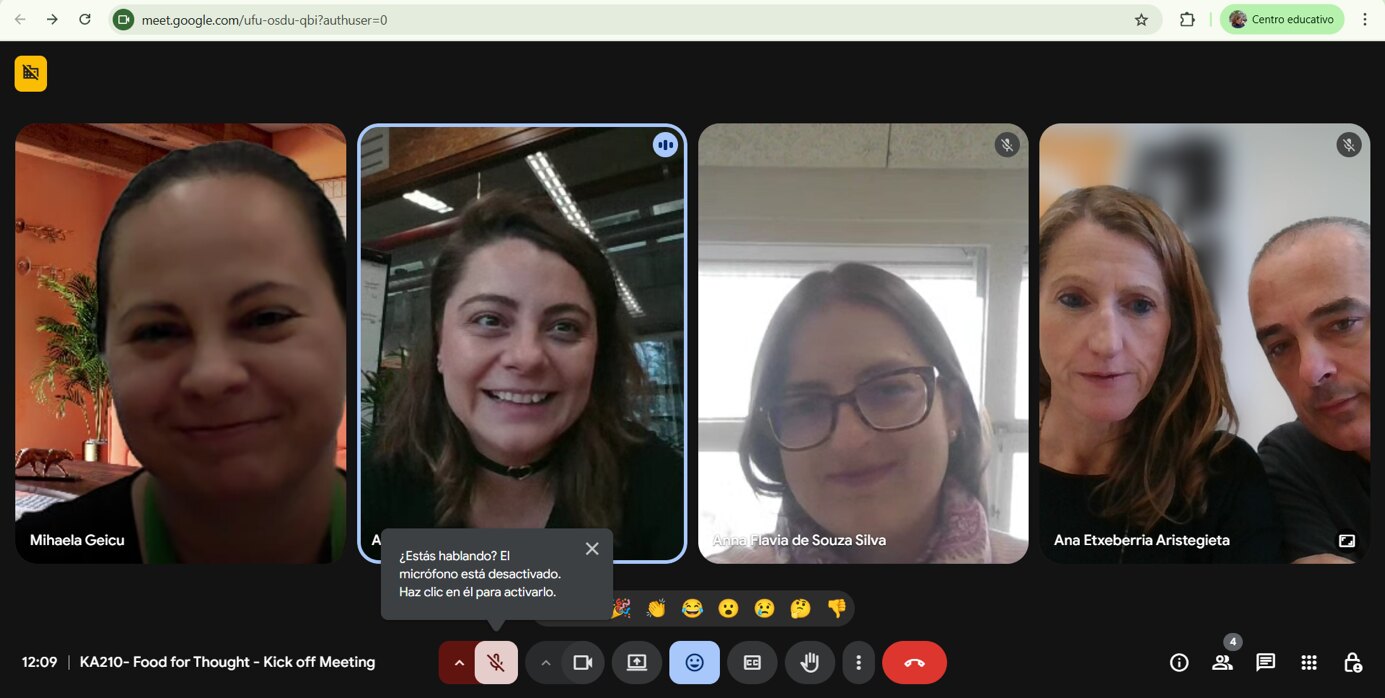
Evidence: agenda annex, detailed minutes and a screenshot of the meeting.
Public evidence: six supporting files document the instruments and teaching resources. Attendance lists, individual responses, names and email addresses are intentionally excluded because they contain personal data. The final comparative report remains pending until data from the Netherlands are incorporated.
Evidence: three technical reports, photographs, recipes and learning outcomes.
No specific implementation report for activity 4 was included in this submission.
No specific implementation report for activity 5 was included in this submission.
No specific minutes or evidence of the closing meeting were included in this submission.
04 · Activity 2 in detail
The attached resources support the collection of dietary information and the educational work planned under “Cultivating Healthy Lifestyles”. Together they cover questionnaires, workshops, food labels and food diaries.
An anonymous and confidential instrument for exploring meal patterns, food choices, portions, snacking, eating context, emotional eating and dietary requirements.
An 80-slide teaching deck connecting nutrition, balanced diets and healthy routines with physical health, cognitive performance and mental well-being.
A 78-slide practical workshop on reading packaging and using nutrition information to compare products and make informed choices.
A self-observation tool for recording food and drink intake and reflecting on the relationship between daily choices, energy, health and academic performance.
Public evidence boundary: this website publishes only materials suitable for open access. Attendance lists, names, email addresses and individual responses remain confidential and will not be published. The final comparative report will be added after incorporating the Dutch data.
05 · Activity 3 in detail
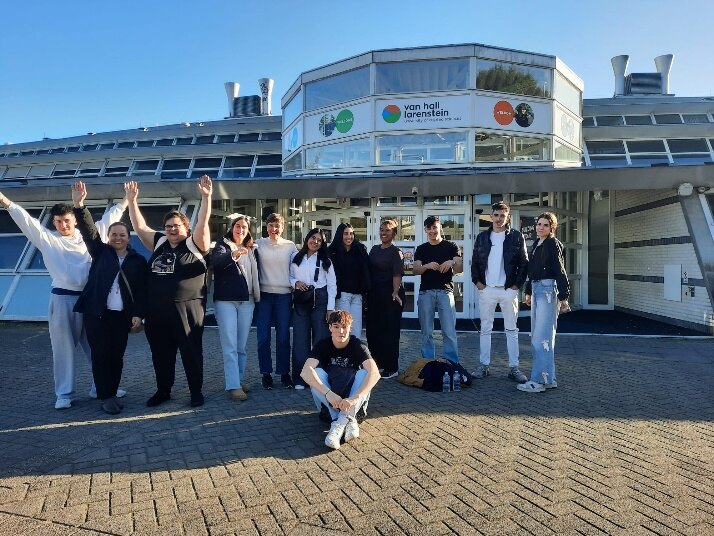
The mobility held in April 2026 turned sustainability, economics and well-being into observable experiences: shopping, comparing, cooking, sharing and reflecting.
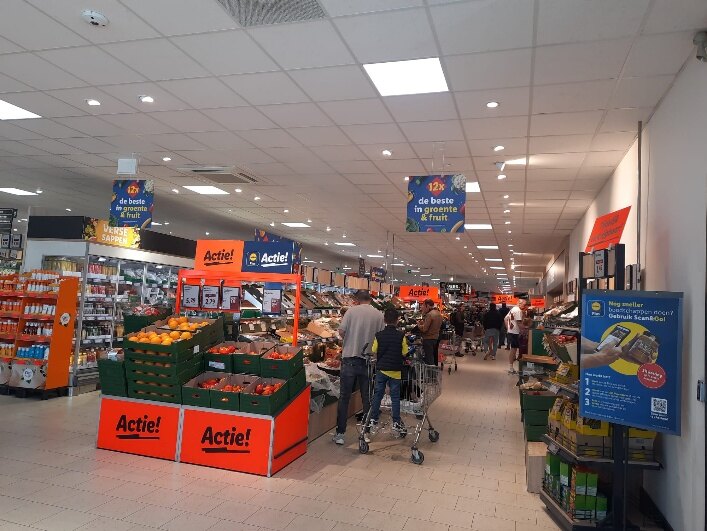
Visits to Albert Heijn, Jumbo, Lidl and Presikhaaf retailers to compare store organisation, labelling, sustainability information, product diversity and pricing strategies. Teams followed agreed purchasing criteria and justified their decisions in terms of authenticity, nutrition, local availability and environmental impact.
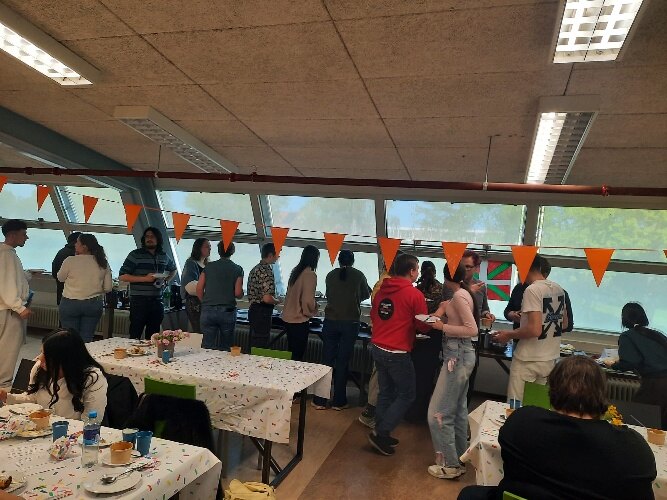
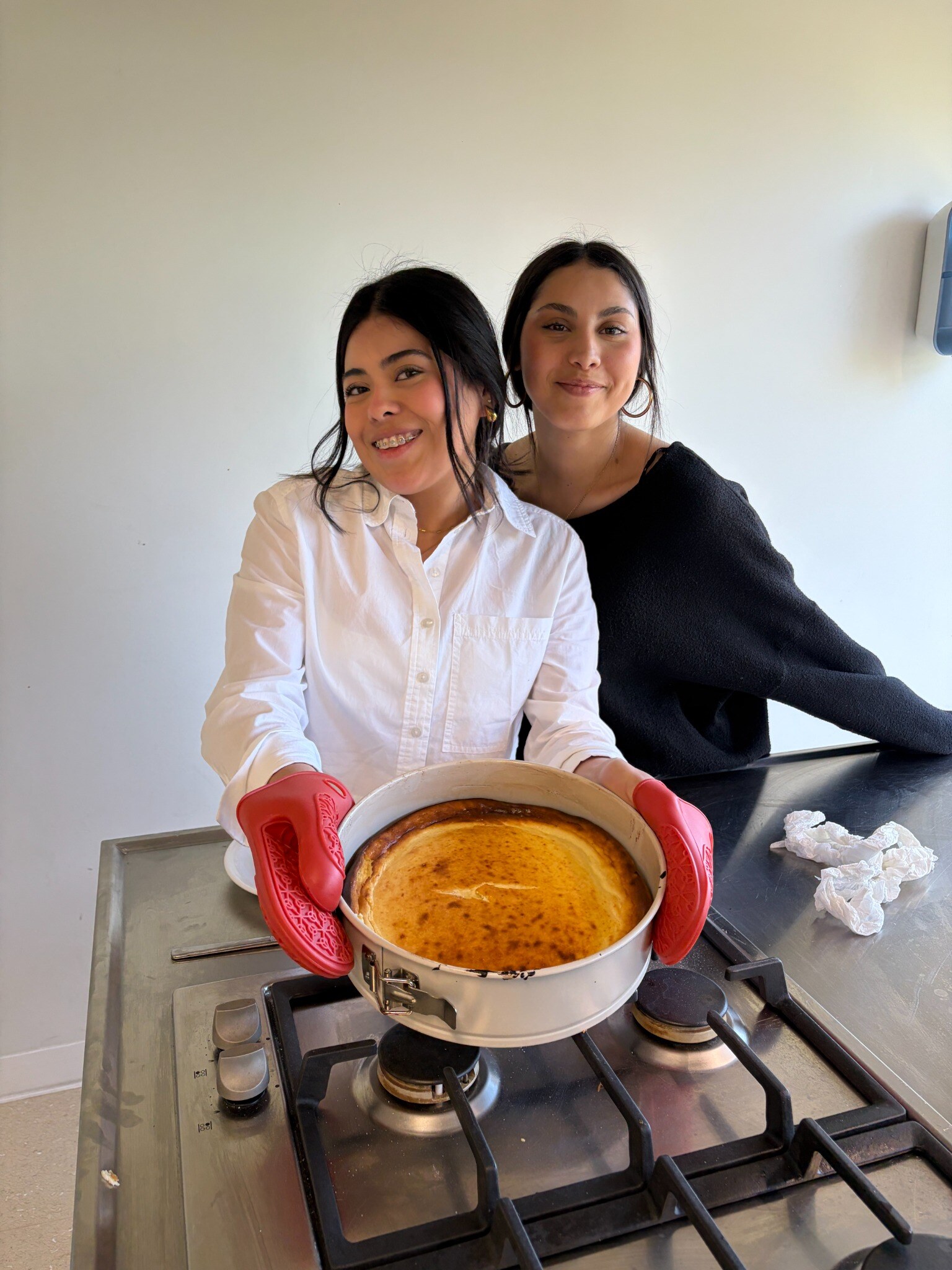
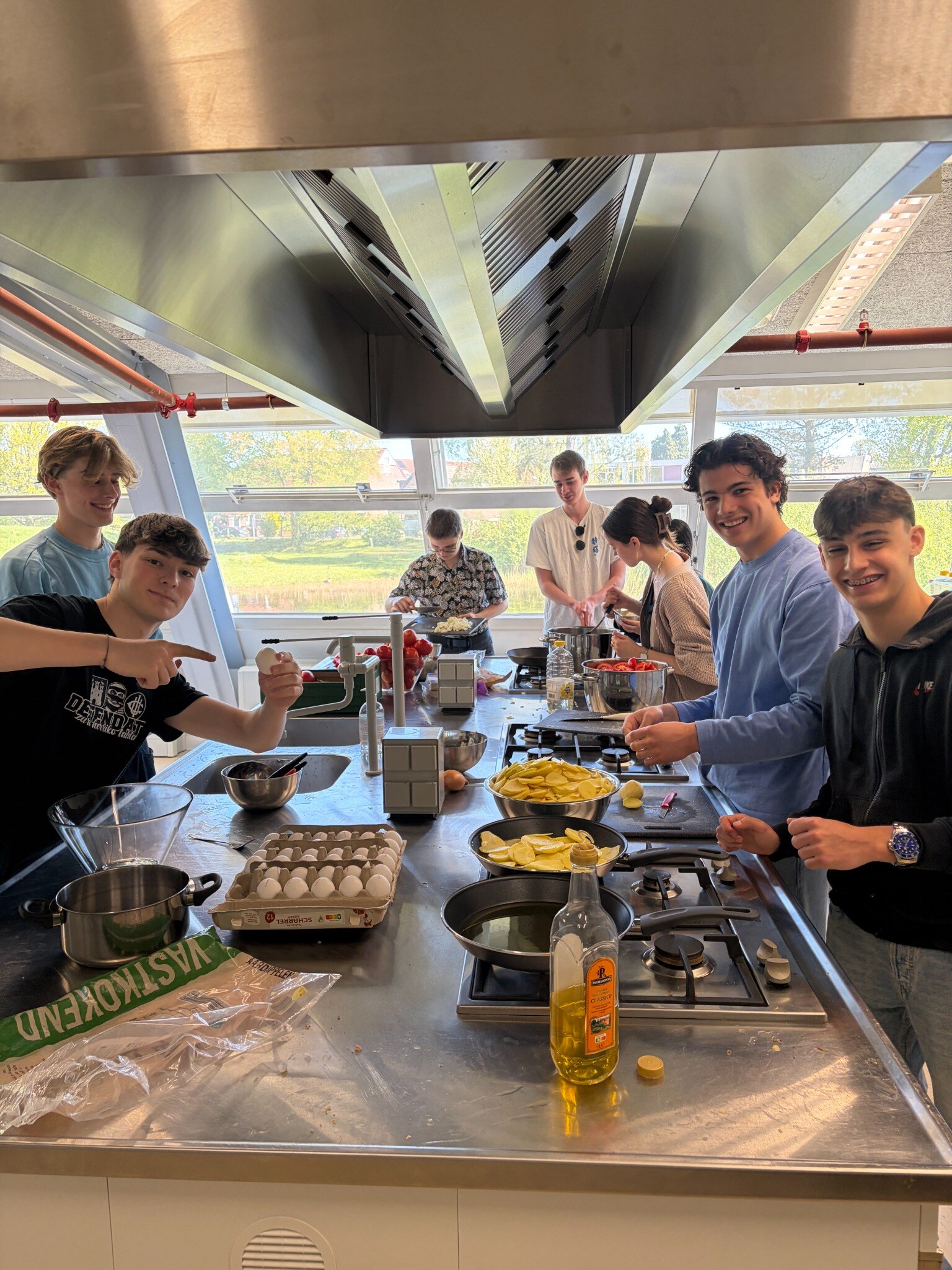
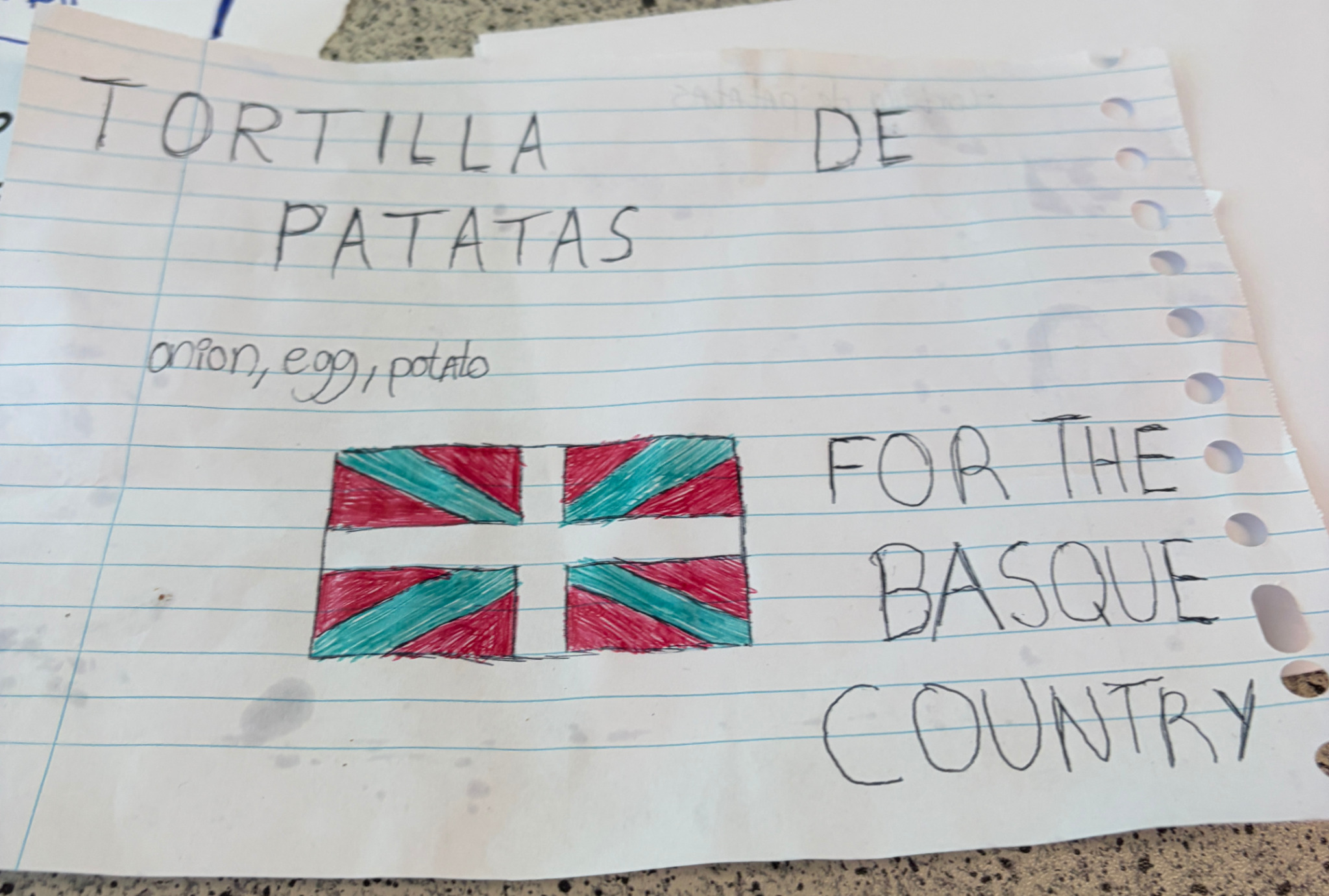
International teams planned and cooked a multicultural menu for approximately fifty people. They shared techniques, stories and traditional foods, with particular attention to local, seasonal and short-supply-chain ingredients.
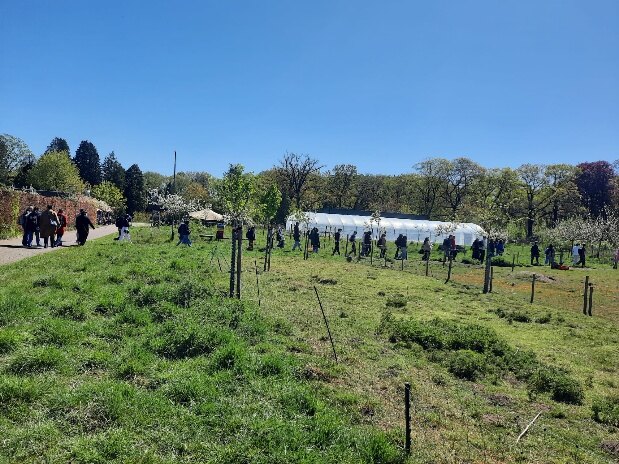
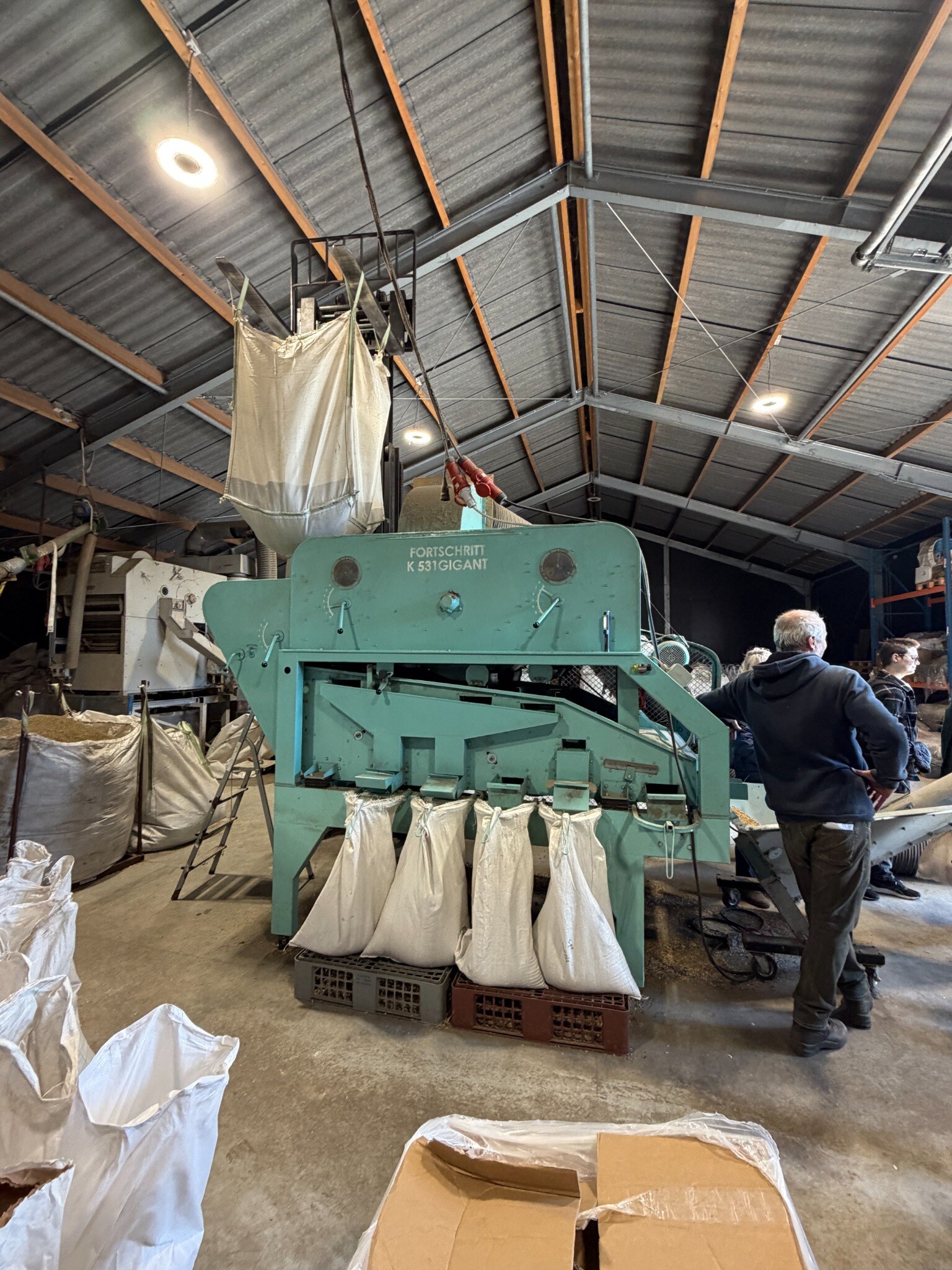
The sessions and visits examined regenerative agriculture, biodiversity, the circular economy, access to healthy food, waste reduction, local production and the social value of community food initiatives.
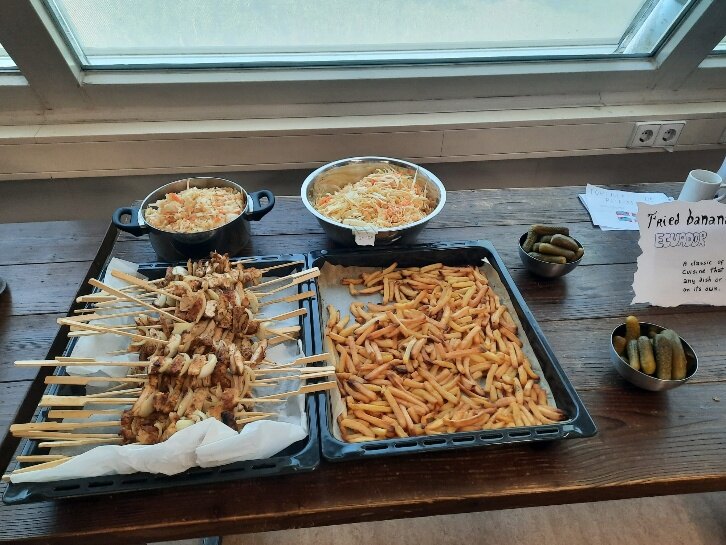
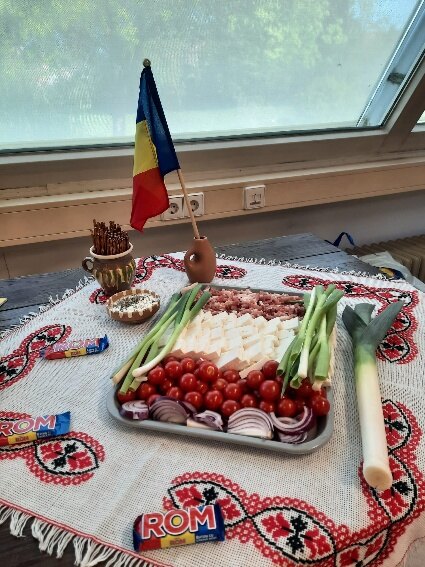
Traditional Romanian platter, Easter red eggs, creamy tomato soup, chicken skewers, oven-baked potatoes, cabbage and carrot salad, mujdei, cozonac and tiramisu. The recipes serve as cultural and educational materials, not simply as a menu.
Documented incident: one of the five students selected by USAMV was unable to board because their identity document did not meet the travel requirements. The mobility continued with four students and one lecturer.
06 · Visual evidence
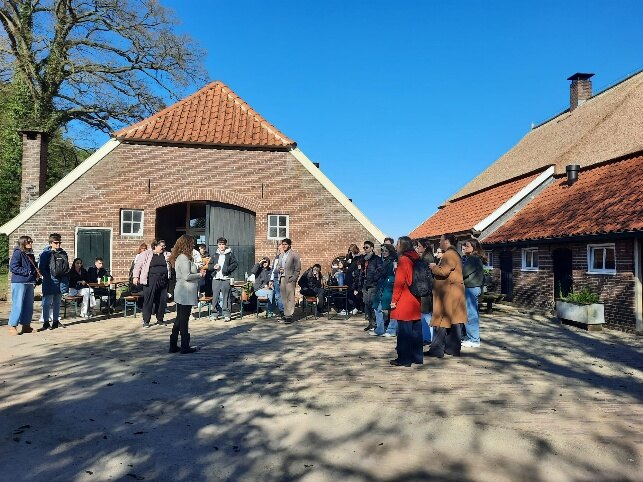
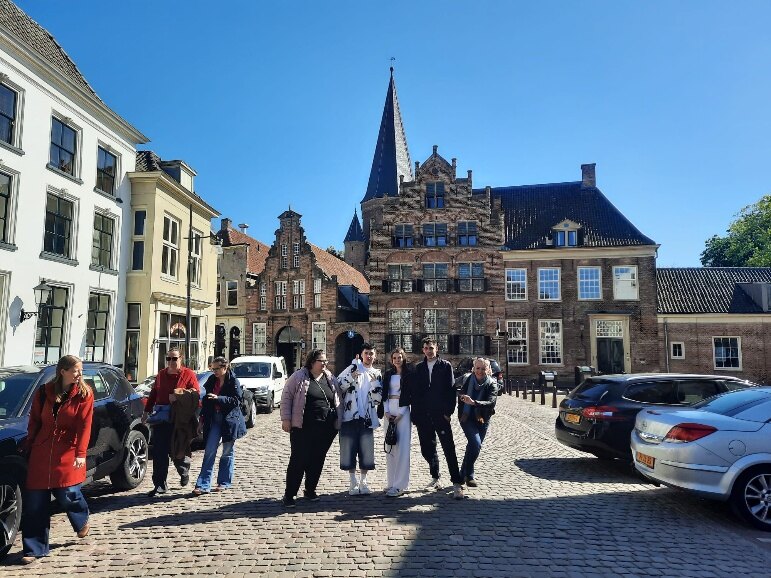
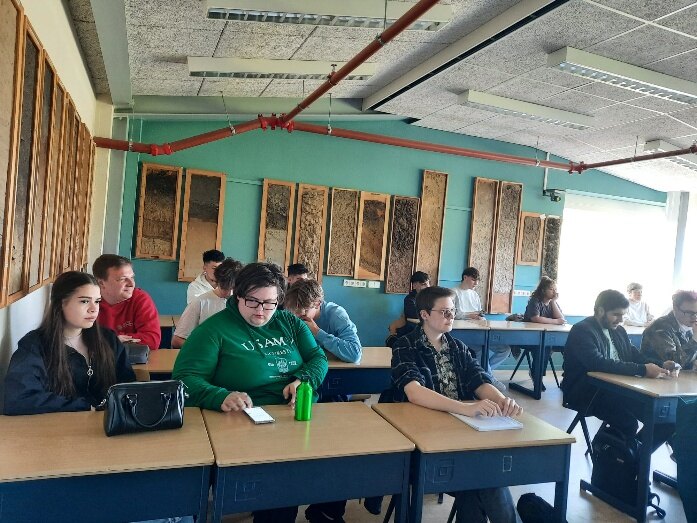
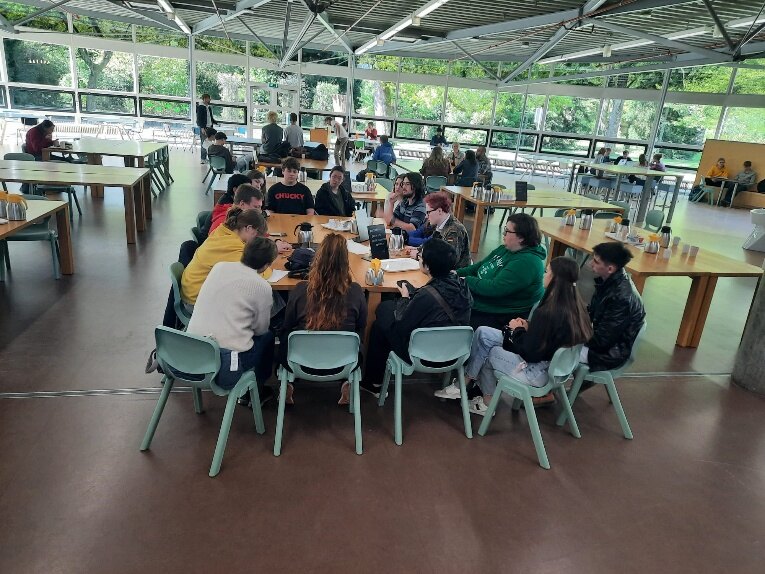
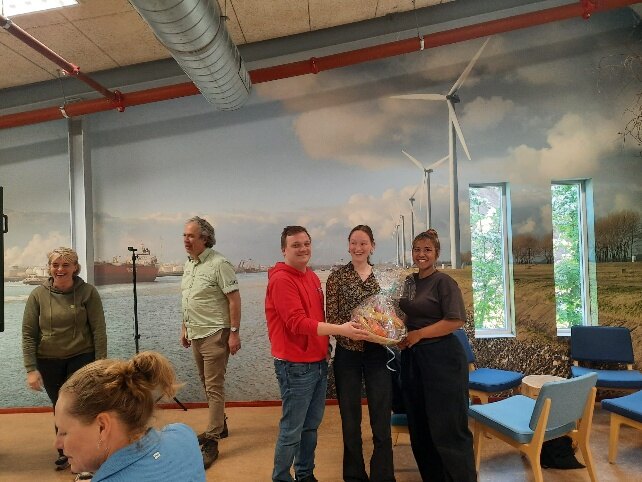
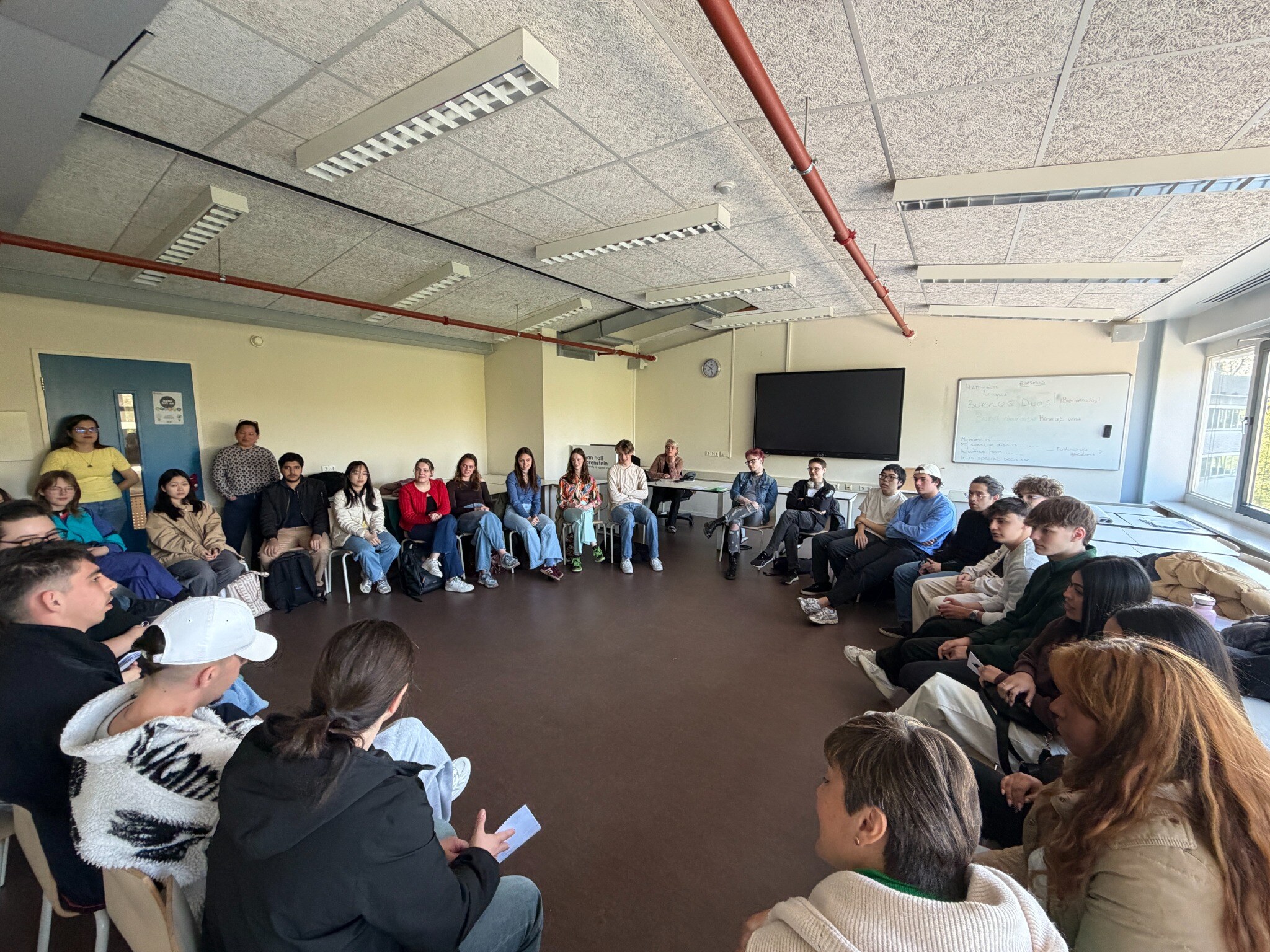
A selection of images included in the submitted minutes and reports, together with photographs supplied by the project team. Use the filters to quickly locate each type of evidence.
Image sources: the virtual kick-off image comes from the submitted kick-off meeting minutes; the field visits, learning and shopping images come from the T3.1 Market Exploration and Shopping report; the collaborative cooking and Romanian dish images come from the T3.2 Cultural Culinary Exploring report; and the five additional photographs were supplied directly by the project team in September 2026.
07 · Results
This inventory avoids presenting outputs as complete when they are not yet supported by documentation in this submission.
08 · Impact and evaluation
The application sets out a combined evaluation of knowledge, habits, participation and transfer using quantitative and qualitative tools.
Understanding the relationship between nutrition, energy, concentration, mood and emotional resilience.
Responsible shopping, local and seasonal food, waste reduction, composting and the circular economy.
International cooperation, intercultural learning, recognition of results and greater attractiveness of VET.
09 · Consistency review
The following observations result from comparing the approved application with the submitted minutes and reports. They should be clarified or corrected in the final documentation.
The application summary mentions schools in the Netherlands, Romania and Greece. The documented consortium is Spain, the Netherlands and Romania; “Greece” appears to be a clerical error.
The application scheduled the meeting for 15 Oct 2025, while the minutes confirm it took place on 27 Oct 2025. The change should be justified as a schedule adjustment.
Six participants were planned. The minutes name five: two from CIFP Don Bosco, two from VHL and one from USAMV.
The agenda announced a digital recording; the minutes state that it could not be made and that a screenshot was retained as substitute evidence.
Five students were selected, but four travelled because one participant had an issue with their travel document. The report describes the incident and the organisational response.
The closing meeting is dated 22 Mar 2026, before the planned end of activities 4 and 5 and one year before the project’s formal end. The date should be confirmed or updated.
The application describes a four-day experience, while the report places the mobility between 20 and 24 Apr 2026. It should clarify whether the five calendar days include travel days.
10 · Document archive
Access the original documents used to prepare this report. They are preserved in their source formats to maintain integrity and traceability.